About Actinia equina

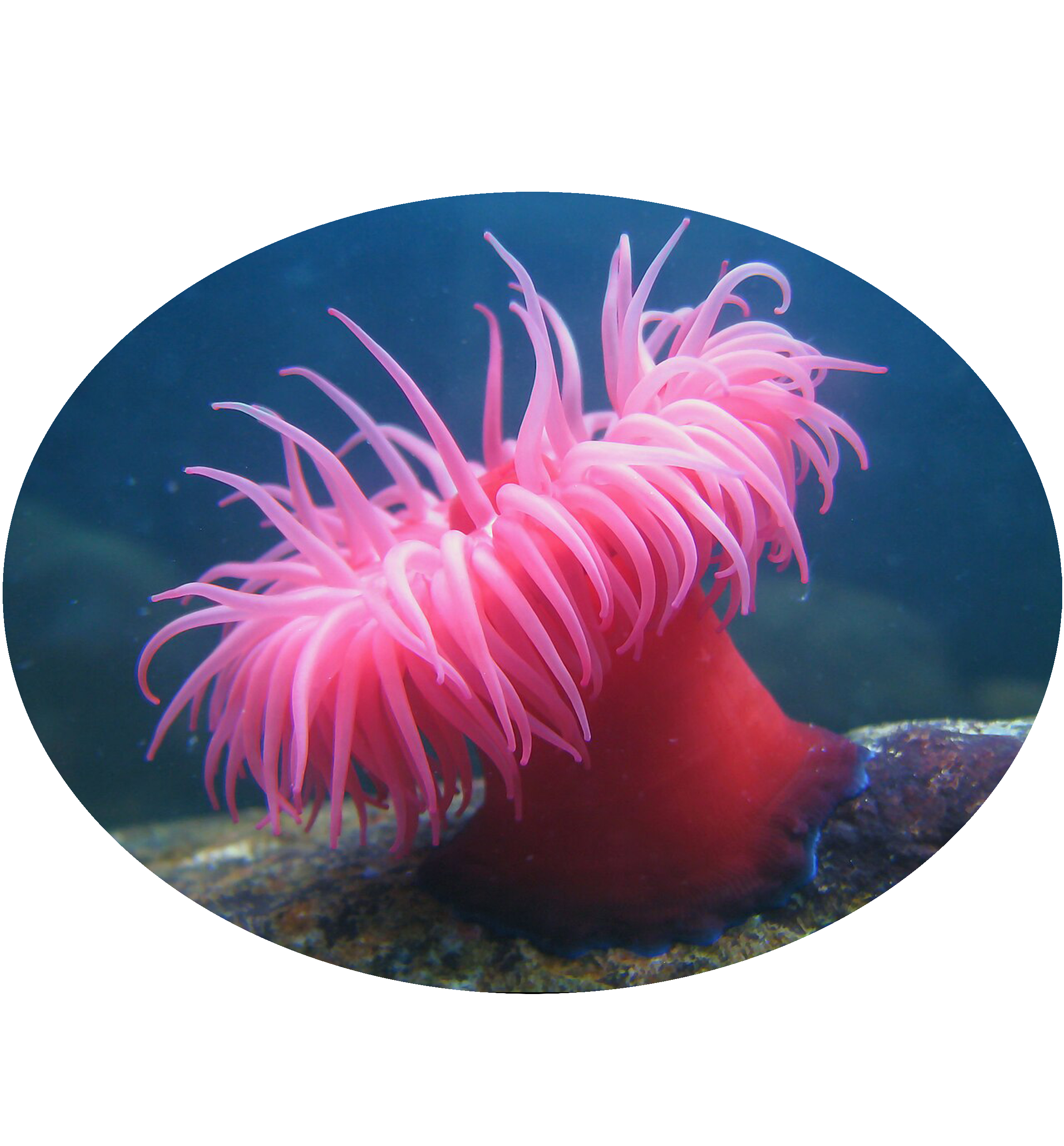
Actinia equina, the beadlet anemone, is one of the most common and well-studied sea anemones in European coastal waters (family Actiniidae), a robust, solitary polyp found in intertidal and shallow subtidal zones capable of retracting its tentacles during aerial exposure at low tide. The species captures prey including small invertebrates and fish with nematocyst-laden tentacles and exhibits agonistic behavior including chemical and physical combat between neighboring individuals. Its genome has been sequenced, revealing insights into anemone immunity, venom gene evolution, and stress responses. It is also widely used in toxinological research due to its diverse suite of pore-forming toxins.

 Basic Information
ClassSpeciesNCBI Taxonomy IDAssembly LevelGenBank AssemblyAssembly NameGenome Size (Mb)WGS AccessionSubmitterBioProject
HexacoralliaActinia equina6106ContigGCA_011057435.1equina_smartden.arrow4.noredun390.11WHPX01Liverpool John Moores UniversityPRJNA479715

 Genome Assembly Information
Chromosome NumberScaffold NumberContig NumberProtein NumberProtein-Coding Gene NumberContig N50Scaffold N50GC content (%)BUSCO completeness
-1486148655,60747,67149260749260737.5C:99.5%[S:57.7%,D:41.8%],F:0.2%,M:0.3%

 References
TitleJournalPubmed ID
The genome of the sea anemone Actinia equina (L.): Meiotic toolkit genes and the question of sexual reproductionMarine Genomics32057717
TOP