About Anemonia viridis

Anemonia viridis, the snakelocks anemone (family Actiniidae), is a photosymbiotic sea anemone abundantly distributed in rocky shallow waters of the northeastern Atlantic and Mediterranean Sea. Its long tentacles display a distinctive green or purple hue derived from endosymbiotic Symbiodiniaceae and host-encoded fluorescent proteins that protect against photoinhibition. The species is a classical model for studying cnidarian-algal symbiosis in temperate settings and has contributed significantly to understanding the molecular diversity of GFP-like chromoproteins in cnidarians. Genomic resources and transcriptomic studies reveal extensive immune and symbiosis-related gene expression.
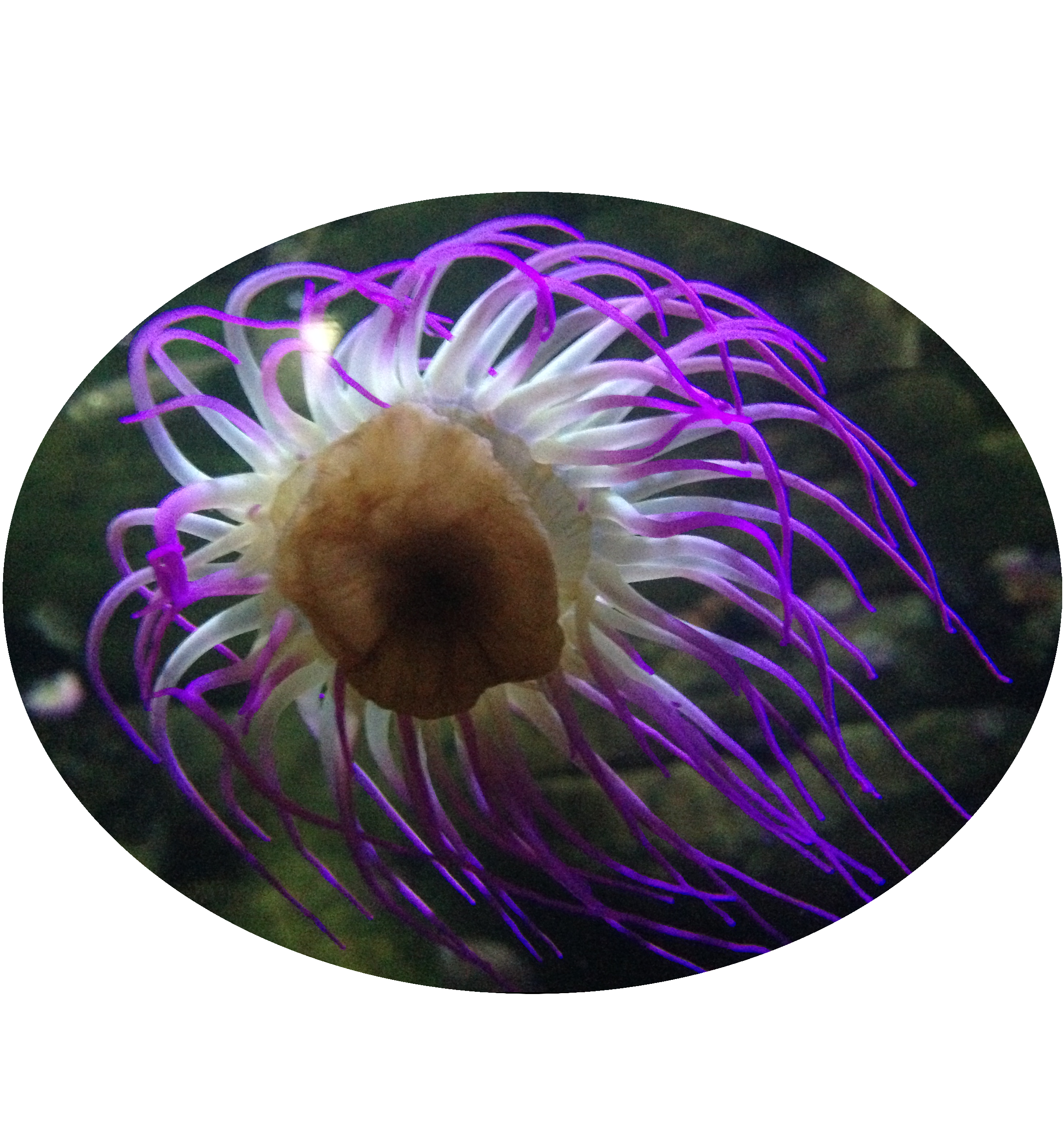

 Basic Information
ClassSpeciesNCBI Taxonomy IDAssembly LevelGenBank AssemblyAssembly NameGenome Size (Mb)WGS AccessionSubmitterBioProject
HexacoralliaAnemonia viridis51769ScaffoldGCA_900234385.1Avir_v1382.05OCZR01UITPRJEB23133

 Genome Assembly Information
Chromosome NumberScaffold NumberContig NumberProtein NumberProtein-Coding Gene NumberContig N50Scaffold N50GC content (%)BUSCO completeness
-10951731164058--1315208738.5C:45.8%[S:45.4%,D:0.5%],F:32.3%,M:21.9%

 References
TitleJournalPubmed ID
Elucidating the Small Regulatory RNA Repertoire of the Sea Anemone Anemonia viridis Based on Whole Genome and Small RNA SequencingGenome Biology and Evolution29385567
TOP