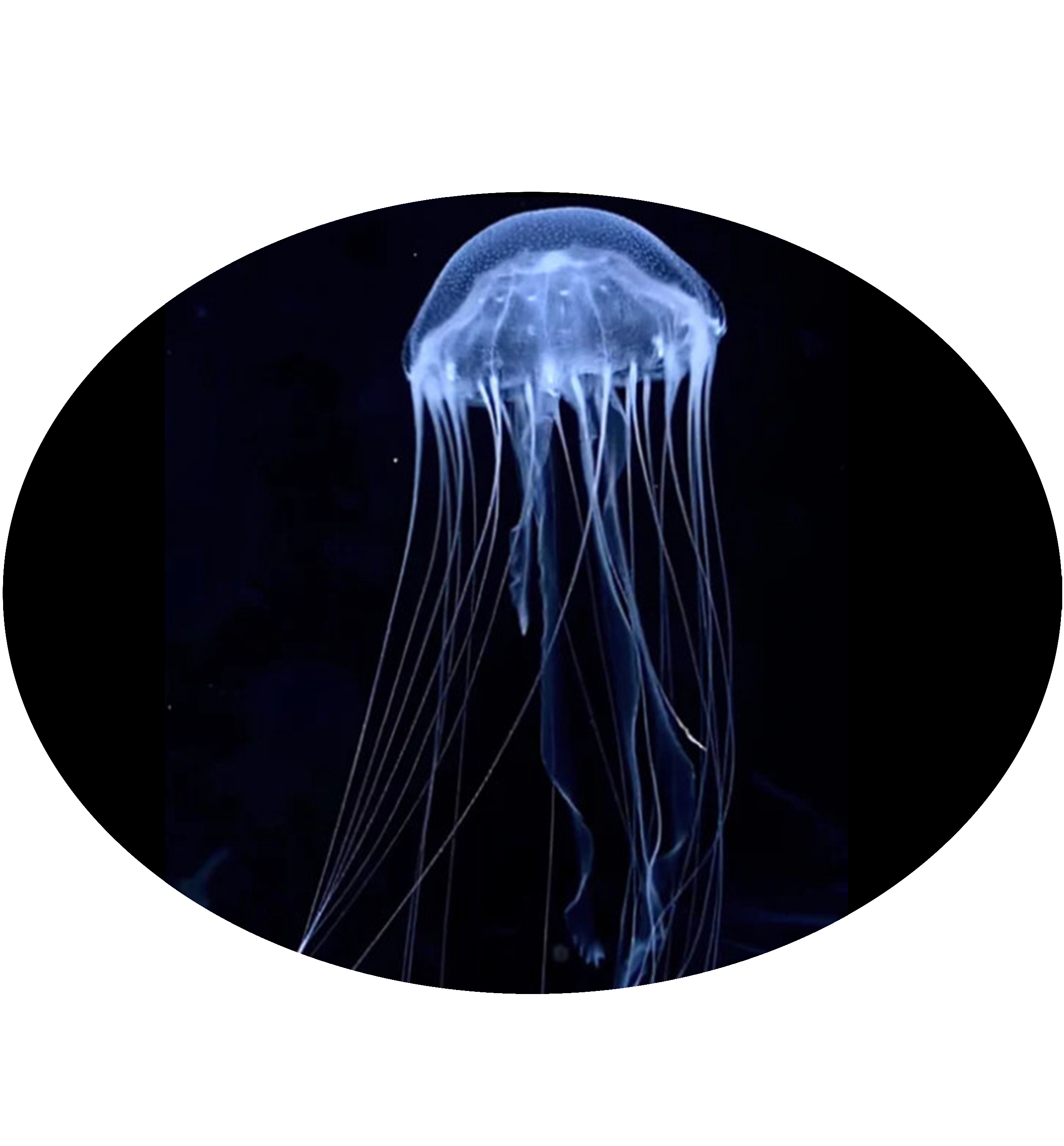
Chrysaora chesapeakei, the sea nettle (family Pelagiidae), is a scyphozoan jellyfish abundant in the Chesapeake Bay and mid-Atlantic coastal waters of the United States, forming summer-dominant blooms that impact water quality, clog fishing nets, and affect coastal recreation. The species alternates between a benthic polyp stage in winter and a pelagic medusa in summer, with strobilation producing ephyrae in spring. Its stings cause localized skin irritation and represent a public health concern in the Chesapeake Bay region. Genomic data have been generated for this species and are available in public databases, enabling comparative studies of cnidarian evolution and ecology.